Richard Spicer obituary
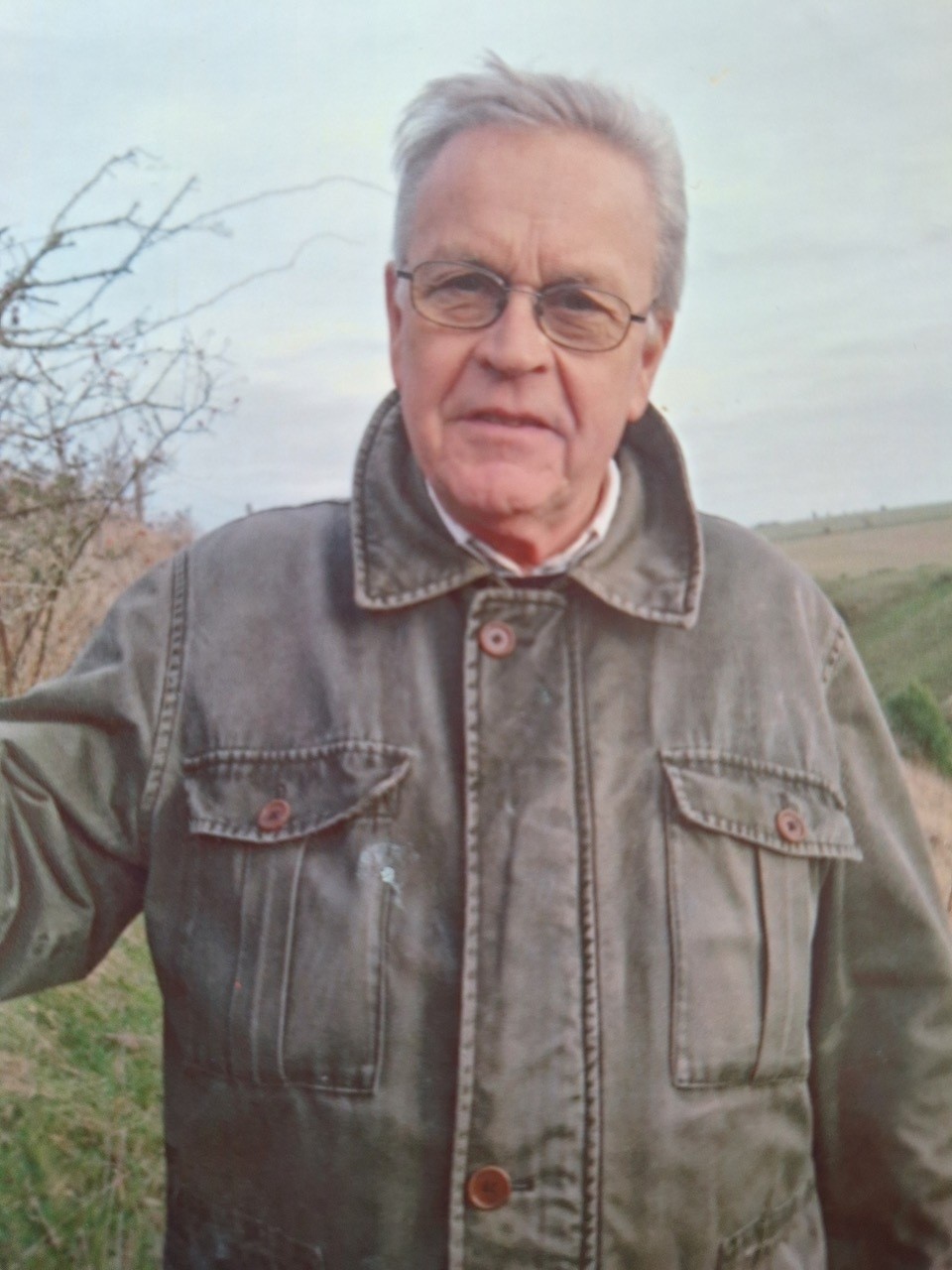 Richard “Dick” Dudley Spicer died on 5th July 2026 at the age of 82. An enthusiastic member of BAPS he served on the Executive and continued to attend the history group long after his retirement. He will be missed for his generosity of spirit and enormous zest for life as well as for his dedication to his patients and their families for whom he cared deeply.
Richard “Dick” Dudley Spicer was born in Pembury, Kent in 1944. His father, William Robert Coquhoun Spicer MD was a consultant physician and brigadier RAMC – the first doctor to enter Belsen in 1945. His mother, M Pauline Nankivell was a nurse.
Dick was educated at Vinehall School, Robertsbridge, Sussex and Epsom College, Surrey. In 1962 he entered Guys Hospital Medical School, qualifying in 1968. Inspired by time spent working with Rex Lawrie (a pioneer in paediatric surgery), first as an undergraduate and subsequently as his house surgeon, he chose a career in paediatric surgery.
As an SHO he worked for John Atwell in Southampton, as well as spending time in paediatric medicine, gaining the DCH in 1973 and FRCS in 1975. Following a period of general surgical training in Basingstoke and Guildford, he was appointed as a registrar in paediatric surgery at Royal Manchester Children’s Hospital in 1979. He moved to Sheffield in 1980 as a senior registrar spending a year at Red Cross Hospital in Cape town between 1982 &1983 before returning to Sheffield for a further 2 years.
In 1985, having completed his training, Dick spent 12 months in Muscat, Oman establishing paediatric surgery there – previously all major cases had been sent to Great Ormond Street.
In 1986 he returned to the UK, taking up an appointment as a consultant paediatric surgeon at Leeds General Infirmary and St James’ University Hospital. This was the first post in the UK with a specific remit for paediatric oncology. Split site working between 2 competitive hospitals was challenging, and in 1992 he moved to Bristol Royal Hospital for Children where he worked as a consultant paediatric surgeon and senior clinical lecturer at the University of Bristol until his retirement in 2008.
Dick was keen to establish paediatric surgery, still a relatively young specialty, on strong foundations. He fostered a collaborative approach within the department of paediatric surgery building and shaping the Bristol department into a unit recognised nationally as welcoming to colleagues and trainees. His emphasis on face-to-face discussion with colleagues at consultant level ensured good working relationships and excellent communication to the benefit of patients and trainees within the hospital.
As a consultant colleague he was enormously supportive and non-judgemental, encouraging his colleagues to take on extra roles following in his footsteps as an examiner in the DCH, FRCS (paed surgery) and Advanced Paediatric Life Support.
He valued all members of the wider team; his informal approach and inclusivity being greatly appreciated.
He worked hard to set up and maintain peripheral clinics in the South West, working with local paediatricians and general surgeons with a paediatric surgical interest, many of whom had trained for a year in the paediatric surgery department at Bristol Children’s Hospital.
He was a courageous and innovative surgeon, essential qualities in paediatric oncology; a discipline where normal anatomy and tissue planes are often unrecognisable. Frequently continuing late into the evening his major afternoon operating list of complex procedures requiring painstaking dissection, was carried out in a relaxed atmosphere, the stress and occasional tedium relieved by risqué jokes to keep the team engaged.
He was always available to advise and assist colleagues and was generous in his mentoring of operating cases for both trainees and colleagues.
He was enthusiastic about training the next generation of surgeons, striving to allow them to equal or surpass his own achievements. He was the Bristol Training Program Director, a post he held for many years, being heavily involved in the set-up of the Birmingham, Bristol, Cardiff Consortium
He sought to appoint young trainees with potential and endeavoured to arrange a comprehensive exposure to all aspects of paediatric surgery. As a trainer he was generous and patient in the wards and operating theatre, and also encouraged trainees to take part in academic presentations and publications.
He had a great sense of curiosity and in his determination to improve outcomes for his patients and sought out colleagues with different areas of expertise to initiate collaborative research. He was instrumental in setting up a research program into mucin glycoproteins in the gut, obtaining funding and overseeing the work of a series of paediatric surgery research fellows.
A quick PUBMED search under R D Spicer reveals 71 papers on a wide range of paediatric surgical topics and he was the author of 7 book chapters.
His major specialty interest remained paediatric oncology surgery and together with Professor Michael Stevens he developed links with European countries to develop international collaborative protocols for the treatment of childhood sarcoma. This became successful resulting in greatly improved survival and reduction in the late adverse effects of treatment.
An active member of SIOP he was a founding member of the International Society of Paediatric Surgical Oncology (IPSO) and president from 2006 until his retirement in 2008. He was a member of the Children’s Cancer and Leukaemia Group (CCLG) and founder of its surgical section.
Aside from paediatric oncology his paediatric and neonatal surgery interests were wide-ranging. He was fascinated by the unsolved problem of long-gap oesophageal atresia and was convinced that the jejunum was the most appropriate graft, leading him to adopt Klaas Bax’s technique of isolated jejunal graft . He established this as the operation of choice in Bristol with subsequent excellent published results from the unit.
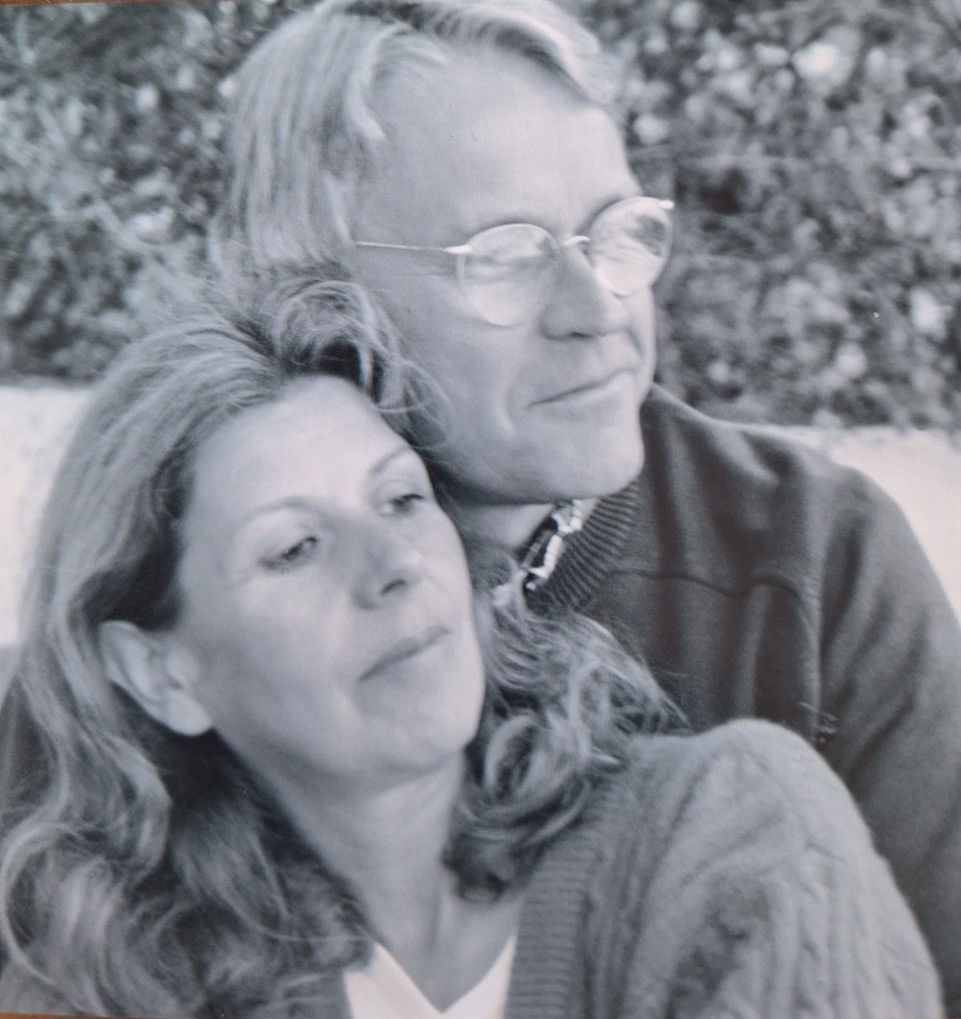 While paediatric surgery consumed much of his life, Dick adored his 2nd wife Jane, their three children Amy, Georgie and Ben and his three children Kate, Tom and William from his first marriage. He was highly gregarious and he and Jane opened their family home with great generosity to departmental BBQs and to any paediatric surgical waifs and strays in need of company and a good meal.
A larger-than-life personality, Dick remained essentially a modest man socialising with his friends and colleagues in the pub and at home.
In his retirement he gained a BA Hons in Humanities from the Open University and maintained an interest in paediatric surgery, but the focus of his life was his family, and on spending time with his six treasured grandchildren who loved him in equal measure.
Eleri Cusick